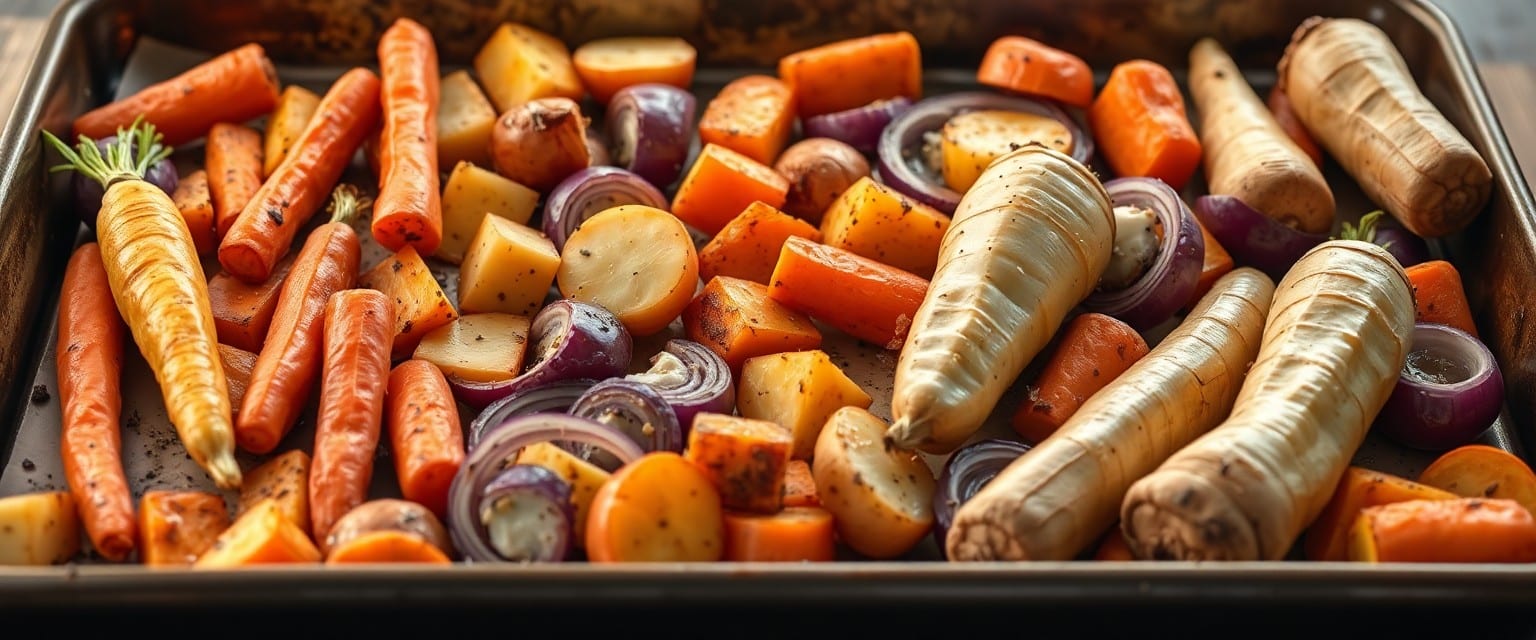
Transforming ordinary vegetables into extraordinary culinary delights is an art form, and the secret lies in the simple, yet profound, technique of roasting. If you're searching for the ultimate roasted vegetables recipe that consistently delivers crispy edges, tender centers, and an explosion of flavor, you've come to the right place. Roasting isn't just a cooking method; it's a magical process that caramelizes natural sugars, deepening the taste and creating an irresistible texture that can win over even the most veggie-averse eaters.
This comprehensive guide will equip you with the knowledge and practical tips to master oven-roasted vegetables, turning them into a vibrant, healthy, and delicious addition to any meal. Whether you're planning a quick weeknight dinner, prepping meals for the week, or needing a crowd-pleasing side dish, a stellar roasted vegetable recipe is your culinary superpower.
The Secret to Perfectly Roasted Vegetables: High Heat & Smart Prep
The foundation of any exceptional roasted vegetables recipe hinges on two critical elements: high heat and meticulous preparation. These factors work in tandem to unlock the vegetables' full flavor potential and achieve that coveted texture – a delicate crispness on the outside and a melt-in-your-mouth tenderness within.
Understanding the Magic of High Heat
When vegetables hit a hot oven, several scientific processes kick into gear. The primary reactions responsible for the irresistible aroma and browning are the Maillard reaction and caramelization. The Maillard reaction is a chemical process between amino acids and reducing sugars that gives browned food its distinctive flavor. Caramelization, on the other hand, is the browning of sugar, producing complex sweet and nutty flavors. Both require high temperatures.
For most vegetables, an oven temperature between 400°F and 425°F (200°C and 220°C) is ideal. This high heat ensures quick surface browning before the vegetables overcook and become mushy. It's the key to preventing steaming, which happens at lower temperatures or when vegetables are overcrowded. Steaming leads to soft, watery results instead of the desired crispiness.
The Importance of a Single Layer and Adequate Space
One of the most common pitfalls in roasting is overcrowding the baking sheet. When vegetables are packed too tightly, they release moisture, and this moisture gets trapped, creating steam. Instead of roasting, your vegetables end up steaming, leaving them soggy and bland. To guarantee proper caramelization and crispiness, always spread your vegetables in a single layer, ensuring there's ample space between each piece. If you have a large batch, use two baking sheets rather than trying to cram everything onto one.
Crafting Your Ideal Roasted Vegetables Recipe: Beyond the Basics
While a simple mix of popular vegetables works wonderfully, understanding how to select and prepare your produce can significantly elevate your roasted vegetables recipe, allowing for endless customization and perfect results every time.
Choosing Your Veggies Wisely
The beauty of roasting is its versatility. Almost any vegetable can be roasted, but some combinations shine brighter than others. For a harmonious blend of textures and cooking times, consider grouping vegetables with similar densities. Here’s a breakdown:
- Root Vegetables: Sweet potatoes, red potatoes, carrots, parsnips, and butternut squash are dense and take longer to cook, offering a hearty, sweet base. They roast beautifully, developing rich, earthy flavors.
- Cruciferous Vegetables: Broccoli, cauliflower, Brussels sprouts, and cabbage wedges become incredibly tender with crisp, charred edges. Their slight bitterness mellows into a delightful sweetness when roasted.
- Alliums: Red onion, yellow onion, and shallots become sweet and jammy, adding depth and a lovely aroma.
- Bell Peppers: Red, yellow, and orange bell peppers soften and sweeten quickly, adding vibrant color and a pleasant juiciness.
- Quick-Cooking Veggies: Cherry tomatoes (add during the last 10-15 minutes to prevent burning), asparagus, and green beans cook relatively fast.
The reference context highlights a fantastic mix of cauliflower, broccoli, sweet potato, red/yellow peppers, and red onion. This combination is excellent because these vegetables largely share similar roasting times and create a vibrant, flavorful medley. Be cautious with high-moisture vegetables like zucchini and yellow squash; while they can be roasted, they may release a lot of water, potentially making other veggies soggy. If using them, cut them thicker and ensure plenty of space on the pan, or consider roasting them separately.
The Art of Uniform Chopping
Achieving even cooking is paramount for the best roasted vegetables recipe, and it starts with how you chop your produce. The goal is to cut all your vegetables into pieces of roughly the same size and thickness. This ensures that everything cooks at a similar rate, preventing some pieces from burning while others remain undercooked.
- Dense Vegetables: For root vegetables like sweet potatoes or carrots, cut them into 1/2- to 3/4-inch chunks. If you're including smaller, denser items like Brussels sprouts, halve them.
- Cruciferous Florets: Broccoli and cauliflower should be broken or cut into florets about 1½ to 2 inches in size.
- Softer Vegetables: Peppers and onions can be cut into slightly larger pieces (1-inch strips or wedges) as they soften more quickly.
Don't be afraid to hone your knife skills; practice makes perfect, and uniform cuts are a game-changer for roasted dishes.
Elevating Flavor: Seasoning & Oil for Your Roasted Vegetables Recipe
While the vegetables themselves are the stars, the right seasoning and oil are their indispensable supporting cast, enhancing their natural flavors and contributing to a perfect roast.
The Foundation: Olive Oil, Salt, and Pepper
Every great roasted vegetables recipe begins with a good quality oil. Extra virgin olive oil is a classic choice, offering a rich flavor and a moderate smoke point suitable for oven roasting. It not only helps conduct heat to the vegetables' surface, promoting browning, but also acts as a binder for seasonings and helps create that delightful crispy exterior. For higher heat applications (above 425°F) or if you prefer a neutral flavor, avocado oil is an excellent alternative due to its high smoke point.
Salt is more than just a flavor enhancer; it draws out moisture from the vegetables, aiding in crisping, and intensifies their natural sweetness. Use a coarse salt like kosher or sea salt for better adherence and a pleasant textural contrast. Freshly ground black pepper adds a subtle kick and aromatic depth.
Beyond Basic: Creative Seasoning Blends
The reference context suggests a simple yet effective blend of garlic powder and Old Bay seasoning, which is fantastic. But don't stop there! The world of spices and herbs offers endless possibilities to customize your roasted vegetables recipe:
- Herbs: Fresh rosemary, thyme, oregano, or dried Italian seasoning add an aromatic, earthy dimension. Toss them with the vegetables before roasting.
- Spices: Smoked paprika lends a beautiful color and smoky flavor. Cumin, chili powder, coriander, or even a touch of curry powder can transport your dish to different culinary regions.
- Umami Boosters: A sprinkle of nutritional yeast can mimic a cheesy flavor, while a dash of soy sauce or tamari (if not avoiding gluten) adds depth.
- Finishing Touches: After roasting, a squeeze of fresh lemon juice or a drizzle of balsamic glaze can brighten and balance the flavors. Fresh chopped parsley or cilantro adds a pop of color and freshness.
Mastering the Roast: Time, Temperature & Troubleshooting
With your veggies chosen, chopped, and seasoned, it's time to talk about the actual roasting process to ensure crispy perfection.
Optimal Roasting Temperature & Duration
As mentioned, 400-425°F (200-220°C) is your sweet spot. The exact roasting time will vary depending on the type of vegetables and their size, but here are some general guidelines:
- Harder, Denser Vegetables (e.g., sweet potatoes, carrots, Brussels sprouts): 25-40 minutes.
- Medium-Density Vegetables (e.g., broccoli, cauliflower, bell peppers, onions): 20-30 minutes.
- Softer, Quicker-Cooking Vegetables (e.g., asparagus, green beans): 10-20 minutes.
Always roast until the vegetables are tender when pierced with a fork and show beautiful caramelization and browning on their edges. Don't be afraid to give them a little longer if they aren't quite crisp enough.
Tips for Even Browning & Crispiness
To further enhance your roasted vegetables recipe and ensure maximum crispiness:
- Preheat the Baking Sheet: Place your empty baking sheet in the oven while it preheats. Adding the seasoned vegetables to a hot surface jumpstarts the browning process.
- Flip Halfway: Give your vegetables a good toss or flip halfway through the roasting time. This ensures all sides get a chance to brown evenly.
- Use Parchment Paper: Lining your baking sheet with parchment paper prevents sticking and makes cleanup a breeze. It can also help promote browning on the bottom.
For more detailed strategies on achieving that perfect crunch, check out our guide on Master High-Heat Roasting for Crispy Vegetables.
Troubleshooting Common Roasting Challenges
- Soggy Vegetables: This is almost always due to overcrowding the pan or the oven temperature being too low. Ensure a single layer and adequate space, and confirm your oven is at the correct temperature (an oven thermometer is a great tool).
- Uneven Cooking: Inconsistent chopping is usually the culprit. Aim for uniform pieces. Also, make sure your oven rack is in the middle position for even heat distribution.
- Burnt Edges, Undercooked Centers: This can happen if the temperature is too high for too long, or if some pieces are too small compared to others. Adjust temperature or remove smaller pieces earlier.
Integrating Roasted Veggies into Your Meals
A versatile roasted vegetables recipe isn't just a side dish; it's a foundation for countless healthy and delicious meals. They are the perfect complement to roasted chicken, fish, or a hearty steak. For plant-based meals, toss them into a grain bowl with quinoa or farro, a protein source like tofu or chickpeas, and a flavorful dressing.
Beyond dinner, leftover roasted vegetables are fantastic for meal prep. Add them to:
- Breakfast scrambles or omelets.
- Quick lunchtime salads or wraps.
- Pasta dishes for added nutrition and flavor.
- Homemade vegetable broth for extra depth.
Embrace the convenience and endless possibilities that come with a reliable roasted vegetables recipe. For more inspiration on how to make roasted vegetables a staple in your kitchen, explore Easy Roasted Veggies: Your Weeknight & Meal Prep Guide.
Mastering the art of roasting vegetables is a culinary skill that pays dividends in flavor, health, and versatility. By understanding the importance of high heat, proper preparation, smart seasoning, and careful timing, you can consistently achieve perfectly caramelized, crispy, and tender vegetables. Experiment with different combinations, spice blends, and serving ideas to make this fundamental roasted vegetables recipe your very own signature dish. Enjoy the vibrant colors, incredible textures, and deep, satisfying flavors that only perfectly roasted vegetables can deliver!
