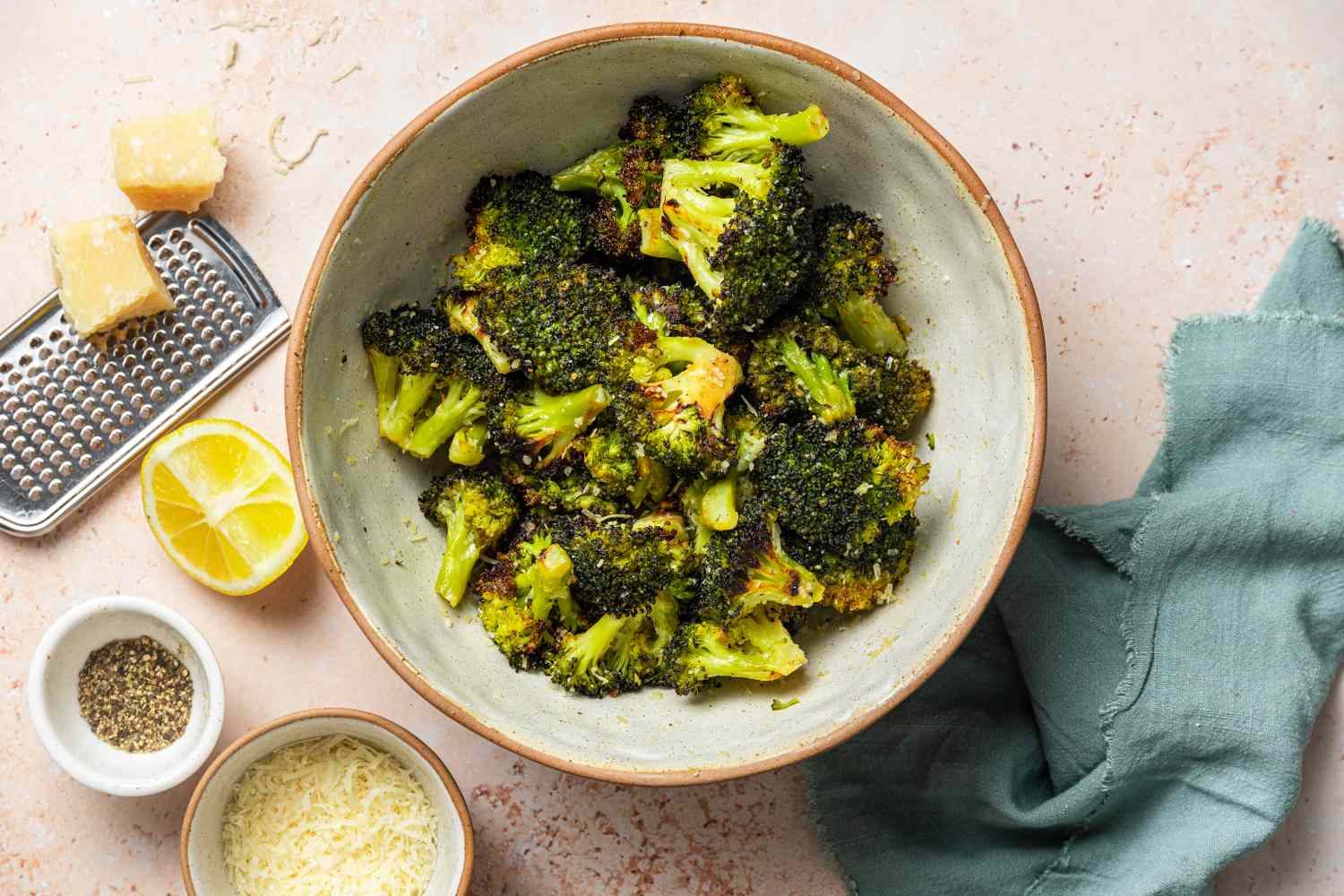
Easy Roasted Veggies: Your Culinary MVP for Weeknights & Meal Prep
In the quest for simple, healthy, and outrageously delicious meals, one technique consistently rises to the top: roasting. Transforming humble produce into tender, caramelized bites with irresistible crispy edges, a well-executed roasted vegetables recipe is more than just a side dish—it's a culinary superpower. Whether you're juggling a busy weeknight schedule or planning your meals for the days ahead, mastering the art of roasted vegetables will revolutionize your kitchen routine, pleasing even the most discerning palates.
For years, home cooks and professional chefs alike have championed the transformative power of high heat in the oven. It's this intense warmth that coaxes out the natural sugars in vegetables, leading to a beautiful caramelization and a lightly crisp exterior that's hard to resist. The versatility, health benefits, and sheer flavor of roasted vegetables make them an invaluable addition to any diet—plant-based, vegetarian, gluten-free, or simply for those who love vibrant, nutritious food.
The Science Behind Perfect Roasted Vegetables: High Heat & Golden Edges
Achieving truly exceptional roasted vegetables isn't magic; it's science. The secret lies in a few key principles that ensure maximum flavor and ideal texture:
- High Heat is Non-Negotiable: Forget lukewarm ovens. We're talking temperatures typically between 400°F and 425°F (200°C-220°C). This high heat is crucial for promoting the Maillard reaction and caramelization—the chemical processes responsible for those coveted browned, savory, and slightly sweet flavors. Without sufficient heat, vegetables tend to steam rather than roast, resulting in a soggy rather than crispy outcome. For a deep dive into achieving that perfect crisp, explore our guide on Master High-Heat Roasting for Crispy Vegetables.
- The Single Layer Rule: Overcrowding your baking sheet is the arch-nemesis of crispy roasted vegetables. When vegetables are piled up, they release moisture, which then creates steam, effectively boiling your produce instead of roasting it. Spreading them in a single, even layer allows air to circulate freely around each piece, ensuring consistent cooking and optimal browning. If you have a large batch, use two baking sheets.
- The Role of Fat: A good quality fat, like olive oil, is essential. It helps conduct heat, prevents sticking, and, most importantly, contributes to that golden, crispy exterior. The oil also serves as a vehicle for your chosen seasonings, helping them adhere to the vegetables and infuse every bite with flavor.
Crafting Your Ideal Roasted Vegetables Recipe: Selection & Seasoning
While almost any vegetable can be roasted, some are truly stars, shining brightest under high heat. The key to a fantastic roasted vegetables recipe is a thoughtful combination of produce that cooks evenly and offers a delightful array of colors, textures, and flavors.
Choosing Your Veggies:
For a vibrant and delicious mix, consider vegetables that roast well in similar timeframes:
- Cauliflower and Broccoli: These cruciferous champions roast beautifully, developing tender florets and wonderfully caramelized edges relatively quickly.
- Sweet Potatoes: Adding a touch of natural sweetness and a brilliant orange hue, sweet potatoes become incredibly tender and flavorful when roasted. Red potatoes or peeled butternut squash are excellent substitutes.
- Bell Peppers (Red, Yellow, Orange): Peppers soften and sweeten considerably, offering a juicy counterpoint to crispier elements. They cook fairly quickly.
- Red Onion: Red onion mellows and sweetens as it roasts, adding a fantastic depth of flavor and a beautiful purple pop of color.
- Other Excellent Choices: Brussels sprouts, carrots (cut into chunks or rounds), parsnips, and green beans are all fantastic additions. For cherry tomatoes, add them during the last 10-15 minutes of roasting to prevent them from becoming mushy.
- Veggies to Use with Caution: High-moisture vegetables like zucchini and yellow squash can release a lot of water, potentially steaming other vegetables and making the pan watery. If using them, cut them larger and ensure plenty of space on the pan, or roast them separately.
The Perfect Seasoning Blend:
Simplicity often yields the best results. A basic yet powerful seasoning blend can elevate your roasted vegetables from good to unforgettable:
- Olive Oil: The foundation. Use enough to lightly coat all vegetables without drowning them.
- Salt: Essential for enhancing all other flavors. Kosher salt or sea salt works best.
- Garlic Powder: Provides a savory, aromatic depth that permeates every bite without the risk of fresh garlic burning at high temperatures.
- Old Bay Seasoning: This secret weapon adds a unique, savory, slightly spicy, and herbaceous kick. Its blend of spices offers a complexity that complements the sweetness of roasted vegetables beautifully.
Flavor Variations: Don't be afraid to experiment! Try Italian seasoning, smoked paprika, cumin, dried oregano, or a pinch of chili flakes for a different flavor profile. A squeeze of fresh lemon juice or a sprinkle of fresh herbs (like parsley or thyme) after roasting can also brighten the flavors immensely.
Mastering the Cut: Achieving Evenly Roasted Goodness
The most laborious part of preparing roasted vegetables is often the chopping, but it's a critical step. Uniformity in size is paramount to ensure everything cooks evenly and finishes at the same time. Uneven pieces will lead to some vegetables being perfectly done while others are either raw or burnt.
- Cauliflower and Broccoli: Break or cut into florets approximately 1½ to 2 inches in size. Aim for pieces that are roughly bite-sized and have a flat side to maximize contact with the hot baking sheet.
- Sweet Potatoes: For quick cooking, halve the sweet potato lengthwise, then quarter it lengthwise again. Cut each quarter into thin, pie-shaped slices about ¼ to ½ inch thick. Alternatively, cut into 1-inch cubes for a chunkier texture.
- Bell Peppers: Core and deseed, then cut into 1-inch strips or chunks.
- Red Onion: Peel and cut into thick wedges or roughly 1-inch pieces.
- Other Vegetables: Aim for consistent, relatively similar-sized pieces. Carrots can be sliced into ½-inch rounds or cut into 1-inch chunks. Brussels sprouts should be halved, or quartered if very large.
Investing a little time in knife skills will pay dividends in your roasted vegetable endeavors. The goal is to create pieces that will caramelize and become tender within the same timeframe, usually around 20-30 minutes at high heat.
Beyond the Basics: Tips for Next-Level Roasted Vegetables
Once you've mastered the core roasted vegetables recipe, a few extra tricks can elevate your results:
- Preheat the Baking Sheet: For an extra boost of crispiness, place your empty baking sheet in the oven as it preheats. Adding the oiled vegetables to a screaming hot surface jumpstarts the browning process.
- Don't Overcrowd (Again!): This cannot be stressed enough. If your pan looks too full, grab another one. It's better to roast in two batches or on two separate sheets than to end up with steamed veggies.
- Flip Halfway: Gently toss or flip your vegetables about halfway through the roasting time. This ensures even browning on all sides.
- Parchment Paper is Your Friend: Lining your baking sheet with parchment paper makes cleanup a breeze and helps prevent sticking, especially with sweeter vegetables.
- Finish with Freshness: A squeeze of fresh lemon juice, a sprinkle of fresh parsley or cilantro, or a drizzle of balsamic glaze after roasting can add a bright, zesty finish.
- Meal Prep Powerhouse: Roasted vegetables are ideal for meal prep. Make a large batch and store them in an airtight container in the refrigerator for up to 3-4 days. They reheat beautifully and can be added to grain bowls, salads, wraps, or served alongside proteins.
- Serving Suggestions: These versatile veggies pair well with almost anything—grilled chicken, baked fish, tofu, pasta, quinoa, or scrambled eggs. They're also fantastic on their own as a healthy snack. For more creative pairings and detailed cooking tips, refer to Best Roasted Veggies: Tips for Flavor & Even Cook.
Embracing the simplicity and incredible flavor of a well-executed roasted vegetables recipe is a game-changer for any home cook. It’s a healthy, vibrant, and effortlessly delicious way to bring more vegetables to your plate, turning mundane ingredients into extraordinary culinary experiences, perfect for both busy weeknights and efficient meal preparation.
