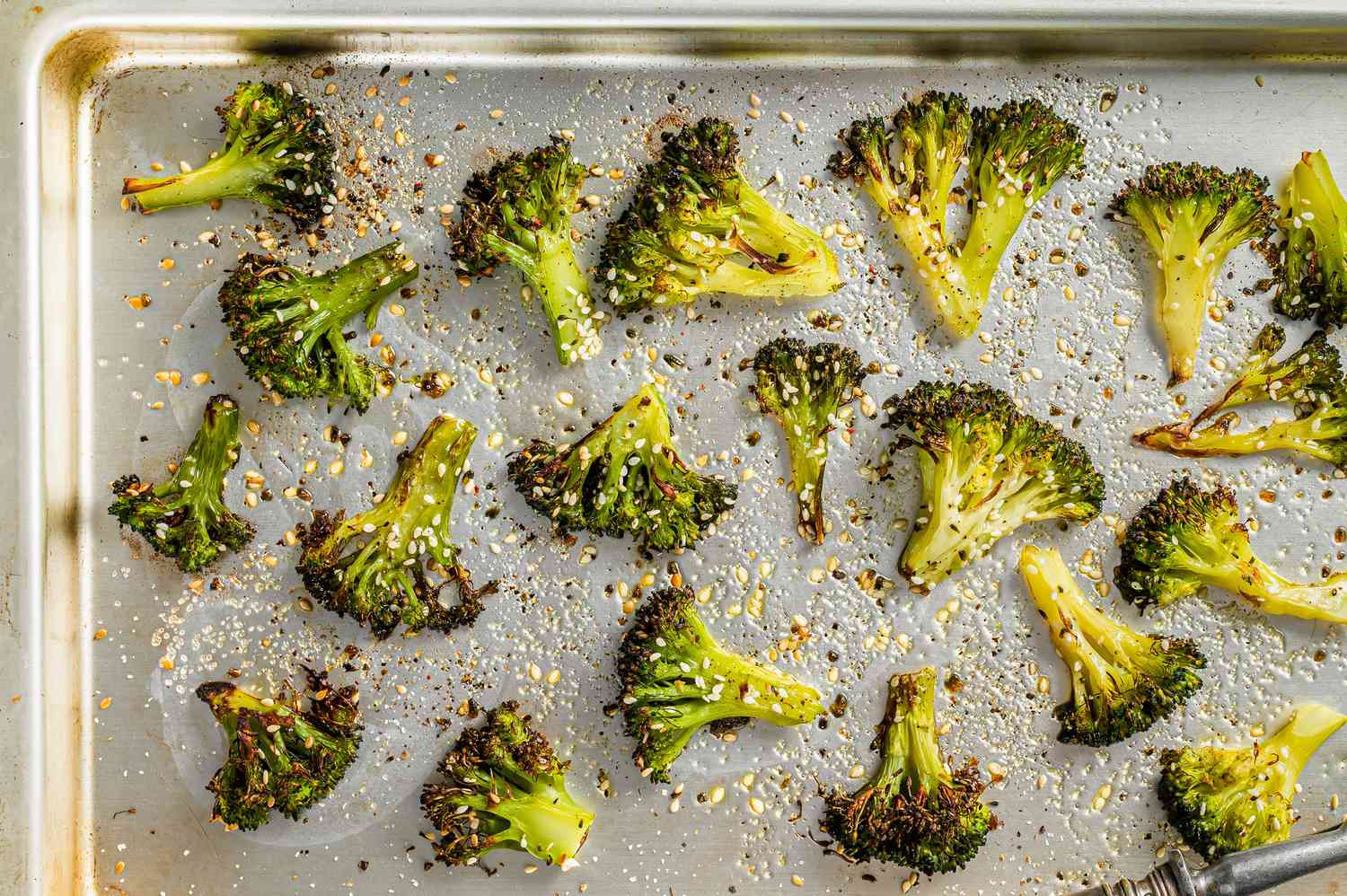
Master High-Heat Roasting for Crispy Vegetables: Your Ultimate Guide
There’s a culinary magic that transforms humble raw vegetables into deeply flavorful, tender-crisp delights. That magic, often overlooked, lies in the power of high-heat roasting. If you've ever dreamt of perfectly caramelized edges, a tender interior, and a burst of savory sweetness in every bite, then mastering the art of high-heat roasting is your ticket to vegetable nirvana. This isn't just another `roasted vegetables recipe`; it's a foundational guide to creating vibrant, delicious, and utterly irresistible vegetables that will please even the most hesitant eaters, making them perfect for busy weeknights, effortless meal prep, or as a show-stopping side dish.
For years, home cooks have experimented with oven temperatures, and the consensus is clear: a hot oven is the secret ingredient. This "master recipe" approach ensures your vegetables achieve that sought-after texture – a slightly crisp exterior balanced by a wonderfully tender center – without steaming or becoming soggy. It’s a healthy, plant-based, and naturally gluten-free method that promises a kaleidoscope of flavors and colors on your plate, transforming simple ingredients into something truly extraordinary.
The Science Behind Crispy Perfection: Why High Heat Reigns Supreme
The key to achieving superior `roasted vegetables recipe` results isn't just about putting them in the oven; it's about the temperature. High heat, typically between 400°F and 425°F (200°C to 220°C), is a game-changer. Here’s why it’s non-negotiable for that perfect crispy outcome:
*
The Maillard Reaction: This chemical reaction, responsible for the browning and flavor development in many foods, thrives at high temperatures. It creates complex, savory notes and that desirable browned exterior, often mistaken for "caramelization" in vegetables.
*
Caramelization: Beyond the Maillard reaction, the natural sugars within vegetables genuinely caramelize at high heat, developing a deep, sweet, and slightly nutty flavor profile. This is particularly noticeable in vegetables like sweet potatoes, carrots, and onions.
*
Rapid Moisture Evaporation: High heat quickly evaporates surface moisture from the vegetables. This prevents them from steaming in their own juices, which is the nemesis of crispiness. Instead, they dry out on the outside just enough to allow browning and crisping to occur.
*
Tender Interiors: While the outside crisps, the intense heat simultaneously cooks the interior rapidly, ensuring the vegetables become tender without turning mushy. This dual action is what makes high-heat roasting so effective.
*
The Single Layer Rule: Equally critical is arranging your vegetables in a single layer on the baking sheet. Overcrowding traps moisture, leading to steaming instead of roasting. If you have a lot of vegetables, use two baking sheets. Consider lining your baking sheets with parchment paper for easy cleanup and to prevent sticking, which also aids in crisping.
Crafting Your Perfect Medley: Choosing & Preparing Your Veggies
The beauty of a `roasted vegetables recipe` is its flexibility. While you can roast almost any vegetable, selecting the right mix and preparing them correctly are crucial for an optimal outcome.
Choosing Your Vegetables Wisely
For the best results, aim for a colorful and varied mix. The reference context highlights excellent choices:
*
Cauliflower and Broccoli: These cruciferous powerhouses roast up beautifully, becoming tender with delightful caramelized edges in a relatively short time.
*
Sweet Potato: Adding natural sweetness and a vibrant orange hue, sweet potatoes bring a comforting element to the mix. Red potatoes or peeled and cubed butternut squash make excellent substitutes.
*
Red and Yellow Peppers: Roasting enhances their inherent sweetness, making them incredibly flavorful and quick to cook.
*
Red Onion: It caramelizes beautifully, adding a sweet, pungent counterpoint and a lovely purple splash.
Other fantastic additions include Brussels sprouts (halved), carrots (sliced into spears or rounds), parsnips, and even cherry tomatoes (add these in the last 10-15 minutes of roasting as they cook faster and can burst). Personally, I tend to avoid high-moisture vegetables like zucchini and yellow squash for this specific high-heat method, as they can release too much water, potentially steaming the other veggies and making everything a bit soggy. If you must use them, slice them thinner and ensure your pan is not overcrowded. For more creative combinations and practical advice on integrating roasted veggies into your weekly routine, check out our guide on
Easy Roasted Veggies: Your Weeknight & Meal Prep Guide.
The Art of Uniform Chopping
Perhaps the most laborious part of preparing `roasted vegetables recipe` is the chopping, but it's vital for even cooking. The goal is to achieve similar-sized pieces so everything roasts evenly, preventing some pieces from burning while others remain raw.
*
Cauliflower and Broccoli: Cut into florets roughly 1½ to 2 inches in size.
*
Sweet Potatoes: Slice in half lengthwise, then halve again. Cut these quarters into pie-shaped or roughly ½-inch thick chunks. Aim for similar density and size to your florets.
*
Peppers and Onions: Cut into 1-inch chunks or thick strips.
*
Carrots/Parsnips: If thick, halve them lengthwise, then cut into 1.5-2 inch pieces. Thin carrots can be left whole or cut into shorter chunks.
Seasoning for Maximum Flavor
A simple yet effective seasoning blend can elevate your roasted vegetables from good to unforgettable. The reference suggests olive oil, salt, garlic powder, and Old Bay seasoning – a fantastic combination.
*
Olive Oil: Essential for coating the vegetables, facilitating heat transfer, and promoting browning. Use enough to lightly coat all pieces, but not so much that they're swimming in oil. A good rule of thumb is 1-2 tablespoons per pound of vegetables.
*
Salt: Crucial for enhancing flavor. Use a good quality coarse sea salt or kosher salt.
*
Garlic Powder: Adds a savory depth without the risk of fresh garlic burning at high heat.
*
Old Bay Seasoning: A unique blend that offers a fantastic savory, slightly spicy, and herbaceous kick.
Don't hesitate to experiment with other seasonings! Black pepper, onion powder, paprika (smoked paprika is wonderful), dried herbs like oregano, thyme, or rosemary, or even a pinch of chili flakes can add layers of flavor. For Mediterranean flair, think dried dill or lemon zest. Always add fresh herbs *after* roasting, as they can burn at high temperatures.
Your Step-by-Step Guide to Roasting Perfection
Following these steps will ensure your `roasted vegetables recipe` consistently yields perfectly crispy results:
1.
Preheat Your Oven: This step is non-negotiable. Preheat your oven to 400-425°F (200-220°C) with the rack in the middle position. Give it at least 15-20 minutes to come to temperature and heat thoroughly. A cold oven will lead to steaming.
2.
Prepare Your Pan: Line a large baking sheet (or two, if necessary, to avoid overcrowding) with parchment paper. This prevents sticking and makes cleanup a breeze.
3.
Toss and Coat: In a large mixing bowl, combine your chopped vegetables. Drizzle generously with olive oil, then sprinkle evenly with salt, garlic powder, and your chosen seasonings. Toss thoroughly with your hands to ensure every piece is lightly coated. You want them glistening, not drenched.
4.
Spread in a Single Layer: Crucially, spread the seasoned vegetables onto the prepared baking sheet(s) in a single layer. Give each piece a little space. If the pan looks crowded, grab another sheet. This is the golden rule for crispiness!
5.
Roast with Confidence: Place the baking sheet(s) in the preheated oven. Roast for 20-30 minutes, or until the vegetables are tender when pierced with a fork and show beautiful caramelization and crisp edges.
6.
Flip Halfway: For even browning and crispness, give the vegetables a good stir or flip halfway through the roasting time (around the 10-15 minute mark).
7.
Check for Doneness: Vegetables are ready when they are fork-tender inside and have achieved your desired level of browning and crispiness on the outside. Don't be afraid of a little char – it adds flavor!
For deeper dives into achieving that perfect balance of crunch and tenderness, explore our dedicated article:
Best Roasted Veggies: Tips for Flavor & Even Cook.
Elevate Your Roasting Game: Tips, Tricks & Variations
Once you've mastered the basic `roasted vegetables recipe`, the possibilities are endless.
*
Mix-and-Match Mastery: Don't limit yourself to the suggested combination. Think about grouping vegetables with similar cooking times. Harder root vegetables (carrots, potatoes, parsnips) can roast together. Faster-cooking vegetables (peppers, onions, green beans, asparagus) can go together or be added later to a pan of root vegetables.
*
Creative Seasoning Swaps:
*
Mediterranean: Olive oil, lemon zest, oregano, thyme, a sprinkle of red pepper flakes. Finish with fresh parsley and a squeeze of lemon juice.
*
Asian-Inspired: A touch of sesame oil, soy sauce (or tamari), ginger powder, and a sprinkle of sesame seeds.
*
Spicy Kick: Cumin, chili powder, cayenne pepper, and a drizzle of hot sauce after roasting.
*
Herby Garden: Rosemary, sage, and thyme (dried for roasting, fresh added after).
*
Serving Suggestions: Roasted vegetables are incredibly versatile.
*
Meal Prep Powerhouse: Roast a big batch and use them throughout the week in grain bowls, salads, wraps, or as a quick side for lunches.
*
Weeknight Side: They pair perfectly with grilled chicken, baked fish, seared tofu, or alongside pasta dishes.
*
Flavor Boosters: Toss them into omelets, stir-fries, or blend them into soups for added depth.
*
Finishing Touches: After roasting, a squeeze of fresh lemon or lime juice brightens the flavors. A sprinkle of fresh herbs (parsley, cilantro, dill), toasted nuts or seeds, or a drizzle of balsamic glaze or a tahini dressing can add an extra layer of gourmet appeal.
Conclusion
Mastering the art of high-heat roasting for crispy vegetables is a culinary skill that will pay dividends in deliciousness. It's more than just a `roasted vegetables recipe`; it's a method that consistently delivers vibrant, tender, and beautifully caramelized results every time. With the right temperature, proper preparation, and a touch of adventurous seasoning, you can transform everyday vegetables into an exciting highlight of any meal. Whether you're aiming for a healthy meal prep solution, a simple weeknight side, or a colorful addition to a special occasion, embrace the high heat, spread them in a single layer, and prepare to fall in love with vegetables all over again. Start your roasting journey today and discover the endless possibilities!